
Outdoor Comfort Isn’t a Temperature Problem. It’s a design problem
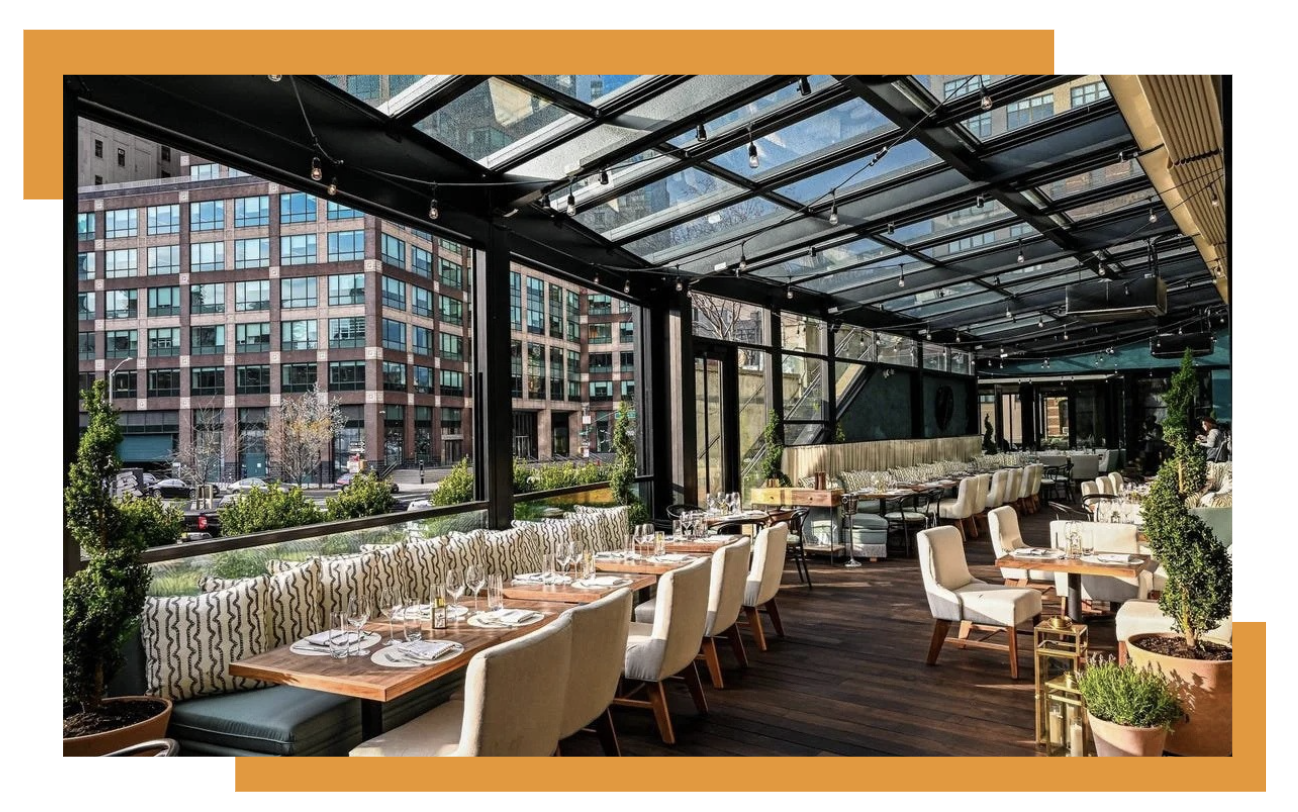
Outdoor spaces are often designed with a simple goal in mind:
Create a place people want to spend time.
Natural light.
Open air.
Connection to the surrounding environment.
When conditions are ideal, these spaces can quickly become the most desirable areas of a home, restaurant, or commercial property.
But ideal conditions rarely last all day.
The Variable That Changes Everything
Outdoor environments are constantly shifting.
Air movement changes direction.
Weather patterns move in quickly.
Temperatures fluctuate throughout the day.
Even well-designed outdoor spaces can lose comfort within minutes when conditions change.
When that happens, usage changes just as quickly.
Guests move indoors.
Tables empty.
Spaces that should be active become underutilized.
The Difference Between Attractive and Reliable
The outdoor spaces that remain active across changing conditions tend to share one key characteristic.
They’re designed to adapt.
Instead of relying on static elements alone, these environments allow the space to remain open when the weather is ideal and provide protection when conditions shift.
This flexibility changes how a space functions throughout the day and throughout the year.
Rather than operating only in perfect weather, the space continues to perform across a much wider range of conditions.
The Projects That Change Expectations
Some outdoor installations quietly redefine how a space is used.
When guests notice that a patio stays comfortable even as conditions change, it creates a different level of interest.
The environment feels more dependable.
The space remains active longer.
The experience feels more intentional.
Those projects often become reference points for nearby properties, showing what adaptable outdoor design can achieve.
Built for Spaces That Need to Perform
Slide Clear vertically sliding glass enclosure systems are designed to support adaptable outdoor environments.
They allow spaces to:
Maintain visibility and natural light
Transition quickly between open and enclosed configurations
Add protection without altering the overall architectural design
Extend the usability of outdoor areas across changing seasons
The goal isn’t to close outdoor spaces off.
It’s to allow them to stay open more often.
Outdoor living continues to evolve.
Across residential, hospitality, and commercial environments, the focus is shifting toward spaces that remain functional across a wider range of conditions.
When outdoor areas can adapt to changing environments, they move from occasional features to dependable spaces that support everyday use.
The Project That Sets the Standard
Many successful projects begin with one installation that clearly demonstrates the difference adaptability can make.
A single well-executed space can quickly become a reference for future builds, helping introduce property owners and operators to a new standard for outdoor comfort.
Our team is here to support dealers with system selection, design collaboration, technical planning, and marketing resources to help bring those projects to life.
